
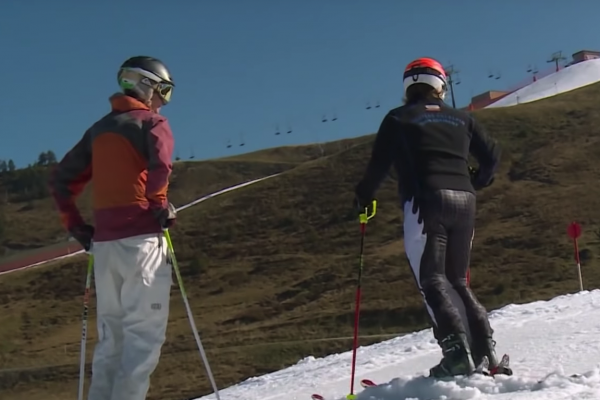
The selling-out of the mountains: Big Ski meets nature
This documentary by Sabine Harder and Martina Treuter originally aired a year ago on German regional broadcaster SWR. Although no English language version is available…
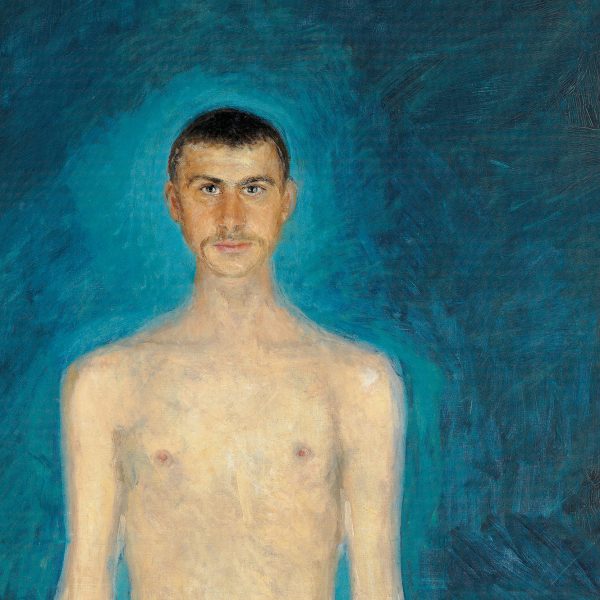
Final weekend of Richard Gerstl at the Leopold Museum
Closing on Monday the 20th after a 4 month run, this weekend is your…
Read More Final weekend of Richard Gerstl at the Leopold Museum
Latest Headlines
- The selling-out of the mountains: Big Ski meets natureThis documentary by Sabine Harder and Martina Treuter originally aired a year ago on German regional broadcaster SWR. Although no English language version is available this is vital viewing for anyone interested in the future of life and tourism in the Alps.
- Final weekend of Richard Gerstl at the Leopold MuseumClosing on Monday the 20th after a 4 month run, this weekend is your […]
- Linz air quality worse than London, Shanghai and Mexico CityAccording to global air quality monitoring organisation BreezoMeter the air quality in Linz is […]
- Right Wing vs UNLIMITED: Curator Marcello Farabegoli to give lecture in LinzThe curator of the controversial Japan Unlimited exhibition, Marcello Farabegoli, will give a lecture […]
- How An Austrian Park Every Year Becomes A LakeSpectacular images that show how a park becomes a lake each spring complete with […]
Partner
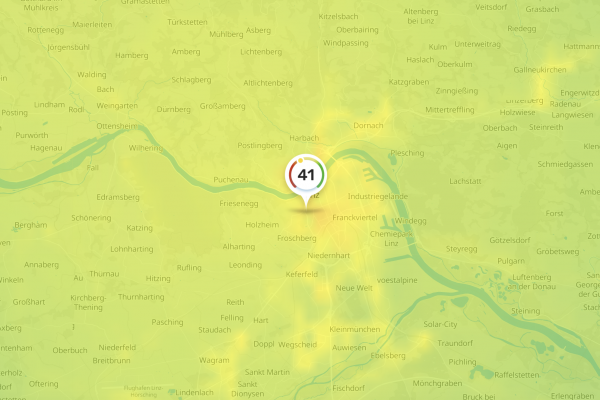
Linz air quality worse than London, Shanghai and Mexico City
According to global air quality monitoring organisation BreezoMeter the air quality in Linz is…
Read More Linz air quality worse than London, Shanghai and Mexico City
News
Business
Culture
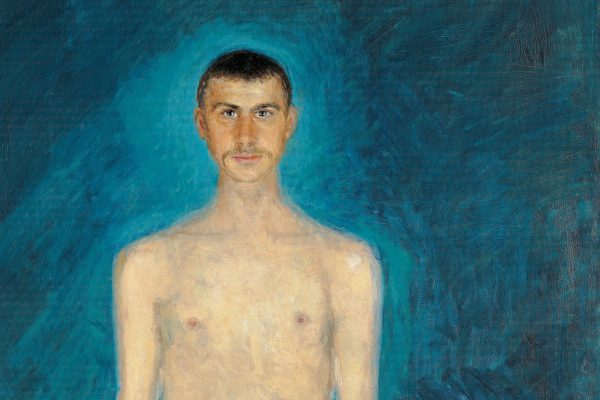
Final weekend of Richard Gerstl at the Leopold Museum
Closing on Monday the 20th after a 4 month run, this weekend is your last chance to see the ‘RICHARD GERSTL INSPIRATION – LEGACY’ exhibition…
Green Austria
The selling-out of the mountains: Big Ski meets nature
This documentary by Sabine Harder and Martina Treuter originally aired a year ago on German regional broadcaster SWR. Although no English language version is available…